New study: Gut microbiota may differ early in life in individuals with neurodevelopmental disorders
Individuals with neurodevelopmental disorders such as autism and ADHD may have a different gut microbiota compared with others. This is shown in a new large-scale study that followed children from infancy into adulthood.
The research is based on the Swedish ABIS cohort (All Babies in Southeast Sweden) and includes more than 16,000 children born between 1997 and 1999. Researchers analyzed stool samples collected during the first year of life and compared gut microbiota composition with later diagnoses of neurodevelopmental conditions.
The result?
The results show that differences in gut microbiota were detectable very early in life, long before any clinical signs of neurodevelopmental disorders appeared. Certain bacterial groups were less abundant, while others were more prevalent among children who later received diagnoses such as autism, ADHD, communication disorders, or intellectual disability.
What this means
The researchers emphasize that the study does not demonstrate causality, but rather an association. This means that an altered gut microbiota cannot be said to cause neurodevelopmental disorders. However, the findings support the hypothesis that early biological development — including interactions between the gut, the immune system, and the brain — may be involved in the development of these conditions.
The study also highlights that early-life factors influencing the gut microbiota, such as antibiotic exposure, diet, and environmental influences, warrant further investigation. While the findings raise the possibility that gut microbiota could one day contribute to early risk assessment or preventive strategies, the researchers stress that such applications are still far in the future.
The study was conducted by researchers from Linköping University and the University of Florida and was published in 2024 in the scientific journal Cell.
Butyrate may strengthen the gut and reduce IBS symptoms
A newly published study from Örebro University brings promising news for anyone living with IBS. Researchers found that butyrate – a naturally occurring fatty acid produced when we eat dietary fiber – can make the gut more resilient and less sensitive.
What did the researchers do?
Butyrate is a naturally occurring fatty acid produced when we eat dietary fiber.
For the first time, researchers examined how butyrate affects the human colon directly. Usinga safe medical procedure, a small section of the colon was isolated, butyrate was added, and tissue samples were taken before and after exposure.
Both individuals with IBS and healthy controls participated.
The results were encouraging
The study showed that butyrate:
reduced gut sensitivity
decreased intestinal permeability (“leaky gut”) in IBS patients
strengthened the gut barrier
increased the colon’s resistance to stress
These findings open the door to new and potentially more effective future treatments.
What does this mean for you?
The results underline how important dietary fiber is for gut health, since fiber is what enables the body to naturally produce butyrate. A gut-friendly, fiber-rich diet can therefore:
help calm IBS symptoms
reduce gut hypersensitivity
support a stronger and healthier gut barrier
contribute to a more stable digestive system
This aligns well with today’s dietary recommendations for IBS and gives hope for improved future treatment options.
What people with IBS need to know about acid-suppressing medications
Many people with IBS also experience upper digestive symptoms like heartburn and acid reflux. And in the short term, PPIs can be very helpful. But what happens when the treatment continues year after year?
A new Swedish study shows that long-term PPI use may affect kidney and heart health over time. It’s an important reminder that we need to look at the whole gut when treating reflux – especially in IBS.
Stomach acid – more important than we think
Stomach acid helps to:
Protect us from bacteria in food
Break down food so the body can absorb nutrients
When acid is too low for too long, bacteria can move into the small intestine where they don’t belong. That can cause very common IBS symptoms:
Gas and bloating
Diarrhea or constipation
Abdominal discomfort
A feeling that food “just sits” in the stomach
This can be a sign of SIBO – bacterial overgrowth in the small intestine.
What we see at Belly Balance
Many people we meet:
Have taken PPIs for years
Still have heartburn
Feel worse further down in the gut
When they get help to safely step down the acid suppression and strengthen digestive function, many feel much better. Less reflux. Fewer IBS symptoms. More control.
How to know if this might be affecting you
Ask yourself:
Have you taken PPIs for a long time?
Do you still have symptoms?
Are you more bloated or gassy than before?
Do you have both reflux and IBS?
If yes – it may be worth re-thinking your treatment approach.
What can you do?
✔ Do not stop your medication on your own — talk to your doctor ✔ Ask for a gradual step-down plan ✔ Work with a dietitian to support digestion and gut flora ✔ Look at meal habits, stress, sleep and triggers Sometimes the issue is not too much acid — but that the digestive system isn’t working as it should.
We help you figure that out. You are not alone – and there are solutions.
The British Dietetic Association (BDA) has released the first fully evidence-based dietary and lifestyle guidelines for adults with chronic constipation.
Kiwi is one of the foods included in the recommendations.
What’s New?
Researchers at King’s College London reviewed more than 75 clinical trials and developed 59 dietary recommendations for chronic constipation. One key change is that the traditionaladvice to “eat more fibre and drink more water” is no longer considered sufficient – the evidence for general high-fibre diets alone is weak. Instead, specific foods, drinks and supplements are now highlighted as having stronger effects on bowel function – including kiwifruit, certain fibres such as psyllium, magnesium oxide, high-mineral water, and rye bread
Specific Recommendations
– Eating 2–3 kiwifruits per day for at least four weeks has been shown to improve bowel movement frequency and symptoms. – Psyllium-based fibre supplements increased stool frequency and softened consistency. – Magnesium oxide, at doses around 0.5–1.5 g per day, improved stool frequency, consistency, and reduced straining. – High-mineral water (especially rich in magnesium and sulphates) improved stool frequency and softness. – Rye bread (6–8 slices per day for three weeks) had some beneficial effects, though mild gastrointestinal symptoms were reported in some individuals.
What Is No Longer Widely Recommended
General “eat more fibre” advice without specifying the fibre type has insufficient evidence for chronic constipation. Likewise, long-term use of herbal laxatives such as senna lacks strong scientific support.
What It Means for Clinicians and Patients
The new guidelines give dietitians and healthcare professionals more targeted tools for dietary management of constipation. For patients, this means clearer, evidence-based guidance — not just “more fibre,” but which foods and supplements actually help. It’s also important to note that these recommendations apply to adults with chronic constipation without another underlying disease causing the condition.
How This Connects to Our Work at Belly Balance
At Belly Balance, we have long focused on exactly the components now recommended in these new guidelines: kiwifruit, psyllium (Husk), and magnesium supplements. Seeing these approaches validated by new research and official UK recommendations is very encouraging — it confirms what we’ve observed in practice.
Kiwifruit We’ve used kiwifruit for years as a natural aid in constipation management — easy to include, pleasant in taste, and consistently associated with better bowel regularity. The new guidelines confirm that 2–3 kiwifruits per day for at least four weeks can be an effective strategy.
Psyllium (Husk) We’ve recommended psyllium-based fibre supplements (“Husk”) to improve stool consistency and frequency in people with sluggish digestion. The BDA guidelines now confirm strong evidence for psyllium in improving bowel movements and softening stools.
Magnesium We’ve also used magnesium oxide and similar forms of magnesium to support intestinal motility. The new evidence clearly supports magnesium as a recommended intervention for chronic constipation.
What This Means for Belly Balance
– Our long-standing recommendations are now fully aligned with the latest scientific research and official dietary guidance. – It reinforces our holistic approach of combining natural foods (like kiwi) with targeted supplements (psyllium and magnesium) for optimal gut health. – We’ll continue to refine our advice and product development based on the best available evidence.
Further Reading
If you’d like to explore the research and read the full guidelines:
Emulsifiers Under Scrutiny – Are They Harming Our Gut?
Emulsifiers have long been staples of the modern food industry – making ice cream melt more slowly, keeping sauces smooth, and improving texture and shelf life in thousands of products. But researchers are increasingly warning that these additives may have unintended health effects, particularly on the gut and immune system.
Emulsifiers are found in dairy products such as milk, cream, butter, cheese, and yogurt.
An article in CNN/KFF Health News highlights emerging scientific findings showing that common emulsifiers such as polysorbate 80, carboxymethylcellulose, carrageenan, and maltodextrin may negatively affect the gut microbiome, damage the intestinal lining, and trigger chronic low-grade inflammation. These changes are thought to contribute to diseases like inflammatory bowel disease (IBD), metabolic disorders, cardiovascular disease, and cancer.
French researcher Benoit Chassaing, a lead scientist at INSERM, states that there is substantial evidence these compounds are harmful to the microbiota and should no longer be used. However, he emphasizes that more large-scale, controlled human trials are needed to draw firm conclusions.
One compelling case is that of Lewis Rands, a geneticist who suffered from severe IBD. After removing emulsifiers from his diet, his symptoms dramatically improved — more than with any medication he had previously taken. Doctors in the U.S. have reported similar patient outcomes, noting reduced symptoms with dietary changes.
Despite growing concerns, regulatory frameworks have not kept pace. Many emulsifiers were approved by the FDAdecades ago under the GRAS (“generally recognized as safe”) designation — a status granted without assessing their impact on the gut microbiome, a field that has only recently gained attention. Both current and former FDA leaders acknowledge that the standards used to approve these additives need to be modernized.
Avoiding emulsifiers as a consumer is no easy task. These additives are found in more than 10,000 food products, often under a variety of names that make them hard to recognize. Even products labeled “natural,” “organic,” or “clean” often contain multiple stabilizing agents. The confusion is compounded by inconsistent labeling and naming conventions across the food industry.
The science remains mixed. A 2024 UK clinical study on Crohn’s disease patients showed clear improvement with reduced emulsifier intake, while a 2023 Australian study found no measurable effect in otherwise healthy participants. Still, interest in the topic is growing fast. In the U.S., it has reached political levels, with Health Secretary Robert F. Kennedy Jr. including emulsifiers in his “Make America Healthy Again” campaign, alongside petroleum-based food dyes.
The conclusion is that we are in a scientific gray area: early research shows strong warning signs, but clear guidelines and regulation are still lacking. While more evidence is needed, an increasing number of people report improved well-being when they avoid emulsifiers — pointing to the importance of transparency, better labeling, and ongoing research.
IBS can be an unpleasant condition that is hard enough to manage at any age but it can be especially difficult to manage in children. A survey by PrecisionBiotics® found over 55% of parents report their children face gut-related issues, with the most common symptoms reported being bloating (19%), constipation (17%), diarrhoea (15%) and abdominal pain and cramps (15%)1.
It is therefore important to understand what IBS is and the best ways to support a child who has it. This can involve understanding the triggers for it, the best ways to manage it, and how to create a healthy gut to help ease the symptoms of IBS. Here, we take a look at what IBS can mean for a child, and what you can do as their parent or care giver.
What’s normal?
There is actually a surprisingly wide range of what is considered a healthy pattern of bowel movements: anywhere from as much as three times a day and as little as three times a week. Most children have bowel movements either once a day (39%) or 2-3 times a day (15%)2. However, 23% of children in the UK currently experience bowel movement outside of the normal range.
It’s important to understand the frequency of your child’s bowel movements because this, combined with consistency, are key indicators of gut health. For consistency, it can be helpful to look at the Bristol Stool Chart in which types 3 and 4 indicate optimal gut function.
Only 45% of parents feel confident they know what healthy gut function looks like, 29% are unsure and 26% admit they have no idea. This lack of awareness highlights the need for more education. Parents should monitor changes in their child’s digestion and look for persistent symptoms, such as abdominal discomfort or irregular stools, which might suggest gut microbiota imbalance. Any changes lasting more than a week, such as infrequent movements or watery stools, may signal an imbalance or underlying issue.
Some common triggers can be:
A low fibre intake from fruits, vegetables and whole grains
Not drinking enough water
Irregular mealtimes
Antibiotics
Worry or nerves
What can you do to help a child who has gut issues:
Firstly, if you think your child has IBS it is important to see a medical professional for a proper diagnosis
It can also be It can be a good idea to keep a food diary, in order to find a pattern between what your child eats or what happens in their lives, and when they start to experience symptoms, in order to identify some of the triggers.
Try to ensure they diet has plenty of fruit, vegetables and fibre, and that they’re drinking enough water as these are all know to help support the gut.
It’s important to not load them up with large meals, so eating smaller amounts can be helpful and keeping mealtimes regular and not too late into the evening.
There is now also increased evidence that probiotics containing Bifidobacterium infatis breve and Bifidobacterium longum 35624™ can have a positive effect on children with gut health issues, however it is important you check they are suitable for your child’s age.
1 A PrecisionBiotics® omnibus survey of 1031 UK adults, conducted in August and September 2024
2 A PrecisionBiotics® omnibus survey of 1031 UK adults, conducted in August and September 2024.
The Future of Gut Microbiome Testing: Simple, Effective, and Comfortable
For years, researchers have relied on stool samples to study gut bacteria. However, there’s been no way to prove that the bacteria in stool accurately represent those deeper within the gut. Now, Julia Rode and her team at the Department of Medical Sciences have developed a method to measure bacteria in the colon without disrupting its natural balance.
The study shows for the first time that simpler stool samples and swabbing provide a good reflection of the conditions inside the colon.
A Non-Disruptive Approach
Traditional methods like colon cleansing or enemas can wash away bacteria, which impacts the results. For the first time, Julia and her team have successfully collected samples directly from the colon while preserving the bacteria’s natural environment.
Results That Could Transform Healthcare
The team compared bacteria from their new method with those obtained from stool samples and swabs. The results showed that all three methods provided similar bacterial compositions from the colon. This breakthrough suggests that future gut examinations could rely on a simple swab, potentially replacing the need for stool samples altogether. This could make the process more comfortable for patients, eliminating any embarrassment associated with handling or storing stool samples
A Game-Changing Study
Published in Gut Microbes in October, this study opens the door to a simpler, more patient-friendly approach to studying gut bacteria. This innovation will help researchers and healthcare providers gain a better understanding of the gut’s complex ecosystem without disrupting it in the process.
Advancements like this bring us closer to new ways of diagnosing and treating diseases linked to gut bacteria—marking an exciting step forward for both science and patient care.
The World Health Organization (WHO) has recently issued a recommendation regarding the use of artificial sweeteners, specifically advising against their use for weight management or reducing the risk of noncommunicable diseases. This recommendation has sparked significant interest in the health effects of these substances, particularly in relation to gut microbiota, which plays a crucial role in digestion, immunity, and overall health.
WHO’s Recommendation on Artificial Sweeteners
In May 2023, the WHO released new guidelines suggesting that non-nutritive sweeteners (NNS) should not be used as a long-term strategy for weight management or to reduce the risk of chronic diseases like obesity, type 2 diabetes, and heart disease. This was based on evidence that showed no clear benefit in terms of weight loss or metabolic health. Moreover, the use of these sweeteners could lead to potential negative health effects.
Impact on Gut Flora
One area of concern that has emerged in recent research is the impact of artificial sweeteners on the gut microbiome. The gut microbiota consists of trillions of bacteria and other microorganisms that are crucial for many bodily functions. Studies have shown that artificial sweeteners can alter the composition and function of gut microbiota, potentially leading to negative health outcomes.
Alteration of Gut Microbial Composition: Some studies suggest that certain artificial sweeteners, such as aspartame, sucralose, and saccharin, can disrupt the balance of beneficial and harmful bacteria in the gut. For example, sucralose has been shown to reduce the diversity of gut microbes, while other artificial sweeteners may promote the growth of bacteria that are linked to metabolic disorders.
Changes in Metabolism: Research has indicated that artificial sweeteners may interfere with the normal functioning of the gut microbiota, leading to alterations in metabolism. In animal studies, artificial sweeteners have been shown to increase glucose intolerance, which can contribute to the development of conditions like obesity and diabetes. Although the findings in humans are still debated, some evidence suggests that the gut microbiome’s response to artificial sweeteners may play a role in these metabolic changes.
Immunological Effects: The gut microbiota is closely tied to the immune system, and changes in the gut microbiome caused by artificial sweeteners could influence immune responses. For instance, an altered microbiome may increase the likelihood of inflammation, which is associated with many chronic diseases, including cardiovascular conditions.
Gut-Brain Axis: The gut microbiome also communicates with the brain through the gut-brain axis. Disruptions in the microbiome due to artificial sweeteners may affect this communication, influencing appetite regulation and food preferences. This could have implications for weight management, potentially leading to overconsumption of calories despite the use of low-calorie sweeteners.
Fructans in soft drinks
New analyses from Monash University shows that both Coca-Cola and other soft drinks, reglurar and diet, contains fructans. Therefor we recommend to limit intake during the elimination phase and then drink a maximum of 200 ml. Read more here.
Conclusion
The WHO’s recommendation against the use of artificial sweeteners for long-term weight management aligns with growing evidence suggesting that these substances can have unintended consequences on gut health. By altering the gut microbiome, artificial sweeteners could contribute to metabolic changes, inflammation, and potentially undermine the benefits people seek from using them as a substitute for sugar. While more research is needed to fully understand the extent of these effects, the WHO’s guidance encourages individuals to reconsider their use of artificial sweeteners and prioritize healthier alternatives, such as whole foods and balanced diets, to support overall health and well-being.
News Alert! New analyses from Monash University has revealed that both Coca-Cola and Coca-Cola Zero contain FODMAPs.
Is coca cola low fodmap?
Historically, the general advice for individuals with IBS has included limiting carbonated drinks due to their ability to worsen bloating. However, new analyses from Monash has shown that it’s not just the carbonation causing issues. Recent tests conducted on Coca-Cola and Coca-Cola Zero have shown that both contain oligosaccharides (fructans) in amounts that classify them as “red” i.e. high FODMAP.
Exactly what causes Coca-Cola to contain fructans remains unclear since the recipe is secret. It is assumed that neither the sweeteners nor the sugar are problematic, but rather some other ingredient. It’s also unknown whether this is the case for other soft drinks like Fanta and Sprite, or energy drinks, as they have not yet been analysed.
What Does This Mean for You Following the low FODMAP Diet?
For those in the elimination phase, this likely has minimal impact, as the general recommendation is already to limit carbonated drinks during this stage. However, this new information may be relevant for those who have progressed further, reintroducing carbonated drinks in larger quantities, or for those who aren’t experiencing full relief from their symptoms. Could Coca-Cola be the culprit for your ongoing issues? Perhaps—there’s only one way to find out.
Based on these new analyses, the team at Belly Balance has decided to continue recommending the limitation of carbonated drinks during the elimination phase, but to strongly advise against consuming Coca-Cola during this period. This recommendation will remain until more information becomes available. Stay tuned for more updates!


 Piffa med granatäpple Piffa med granatäpple Granatäpple är perfekt att piffa maten med, fruktköttet är syrligt och passar… Read more
  Explosiv ökning av energidrycker oroar: En risk för folkhälsan Explosiv ökning av energidrycker oroar: En risk för folkhälsan Under de senaste åren har försäljningen… Read more
  En glad mage i fokus En glad mage i fokus Under våren har Belly Balance och Elexir Pharma ingått partnerskap med glada… Read more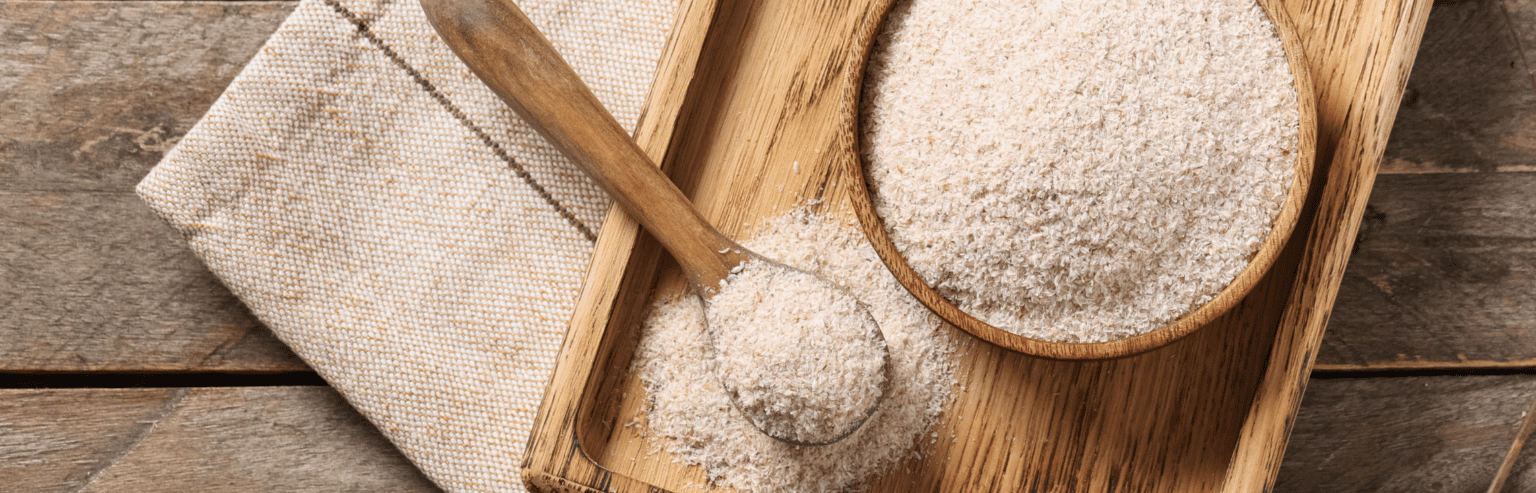















 The study shows for the first time that simpler stool samples and swabbing provide a good reflection of the conditions inside the colon.