Navigating the world of food when it comes to IBS can be challenging. How should one eat when dealing with IBS? Everyone has their own dietary advice for IBS, and there are many myths and misconceptions. You might have received advice such as eating more or less fibre or eliminating gluten. Or perhaps you haven’t received any dietary guidance at all, just being told to learn to live with IBS. With the right dietary advice, living with the diagnosis becomes more manageable.
Here, we provide general tips and advice for what to eat when you have IBS. We will also touch on FODMAPs, good foods for IBS, and foods that are best avoided. For those who want to know more, we also have in-depth articles on these three topics.
FODMAP and IBS
It might sound a bit strange, but the fact is that certain carbohydrates tend to ferment in the stomach, and these are called FODMAPs. FODMAP is an abbreviation for fermentable oligo-, di-, mono-saccharides, and polyols. These quickly fermented carbohydrates are found in various foods and typically cause issues for those with IBS. Major culprits include onions, garlic, and grains, but FODMAPs can hide where you least expect them, for example in avocado, chewing gum, and watermelon.
The dietary treatment known as FODMAP is used by dietitians worldwide to treat IBS. It helps over 75% of individuals reduce their symptoms. Low FODMAP involves avoiding products with high FODMAP content. By eliminating what causes distress in the stomach, the system calms down, the brain receives fewer signals from the intestines, and suddenly, you think less about your stomach. Following the low FODMAP diet provides insights into what your stomach reacts to, while simultaneously reducing symptoms.
Good food for IBS
When you have IBS, it’s important to choose the right things to eat and maintain a varied diet. The goal is to select IBS friendly foods that are good for the stomach to reduce the symptoms. Here are some examples of such:
Vegetables: Zucchini, potatoes, carrots and spinach
Fruits: Bananas, blueberries and kiwi
Proteins: Chicken, turkey and fish
Grains: Oatmeal, rice, and quinoa
Feel free to read our in-depth article to learn even more about good food for IBS.
Foods avoid with IBS
Just as there are good things to eat for those with IBS, there are also things that can trigger or worsen symptoms.
If you have IBS you should avoid the following:
Dairy products: Those containing lactose
Certain vegetables: Such as onions, garlic, cauliflower and mushrooms
Certain legumes: Beans and peas can be tougher on the stomach than lentils
Certain fruits: Apples, pears, and peaches
Too much fat: Such as fried and fatty foods
Strong spices: Sometimes can irritate the stomach
We recommend to read the in-depth article about foods to avoid with IBS.
Foods that can be good or bad for those with IBS
There are, of course, categories that can be both good and bad for those with IBS, depending on what you eat. Examples of this can include:
Beverages: Both tea and coffee can work in smaller amounts for those with IBS.
Cabbage: As you probably know, there are different types of cabbage, and some are tougher on the stomach than others.
Sweats and snacks: Fortunately, not all sweats and snacks are bad for the stomach, and there are varieties that people with IBS generally tolerate better.
Don’t do one thing at a time
Have you tried eliminating lactose for a period without results, then reintroduced lactose and removed onions? In this case, it’s more about eliminating everything that could disturb the stomach at once while keeping a food and symptom diary to see what works and what doesn’t. By subsequently reintroducing foods one at a time, you gain full control over what your stomach reacts to.
Eat mindfully
This thing about tuning into how the body feels can be alien to many people, especially considering all the hustle and bustle around us. There doesn’t seem to be time to tune in. So, we eat at 12, regardless of whether we’re hungry or not, and we don’t stop eating until we’ve had way too much. Poor stomach gets overloaded! Slow down, listen to the body’s signals, chew slowly, and spread out meals throughout the day.
Don’t mix too much
Feeling bloated like a hot air balloon after a three-course dinner? It could be due to several things. Most likely, you’ve eaten things that ferment in the stomach, such as onions and garlic. But it can also depend on the quantity and combination. The stomach actually prefers to eat a few different things at each meal. About 5-10 items work well. If it’s more than that, there’s a risk the stomach might rebel, regardless of whether you’ve stuck to low-FODMAP food.
FODMAP List – Where can I find It?
In the Belly Balance app, you’ll find dietary advice, recipes, low FODMAP lists, a stomach diary, a food diary, a barcode scanner, and much more to help you manage your IBS. It’s not always easy to understand how your stomach reacts, which can create confusion and stress. But by following the low FODMAP diet, incorporating nutritious food into your diet, and being aware of foods that can trigger symptoms, you can lead a healthier and more carefree life.
Sofia Antonsson
Reg. Dietitian, Belly Balance
Take control of your IBS today!
Ready to reclaim your life from IBS? Our app provides the tools and guidance you need to manage IBS effectively.
Download the AppFrequently asked questions
What should I eat with IBS?
There is no single IBS diet for everyone. Many start with gut-friendly meals and then use a structured low FODMAP approach to find personal triggers.
Is the low FODMAP diet forever?
No. It has an elimination phase and a reintroduction phase so you can widen your diet again with more confidence.
Can I eat vegetarian with IBS?
Yes. With planning you can get protein and fibre from FODMAP-aware vegetarian options.
How can the app help with food?
Belly Balance includes FODMAP guidance, a food scanner, recipes and a gut diary so everyday choices get easier.
Explore further
Articles in this topic

Alcohol and IBS
Alcohol and IBS. Evidence-based IBS support with the low FODMAP diet – download the Belly Balance app.
Read more →
Anti-inflammatory diet
What is the theory behind the anti-inflammatory diet and what effect does it have on us? Leg. Dietician Sofia Antonsson clarifies.
Read more →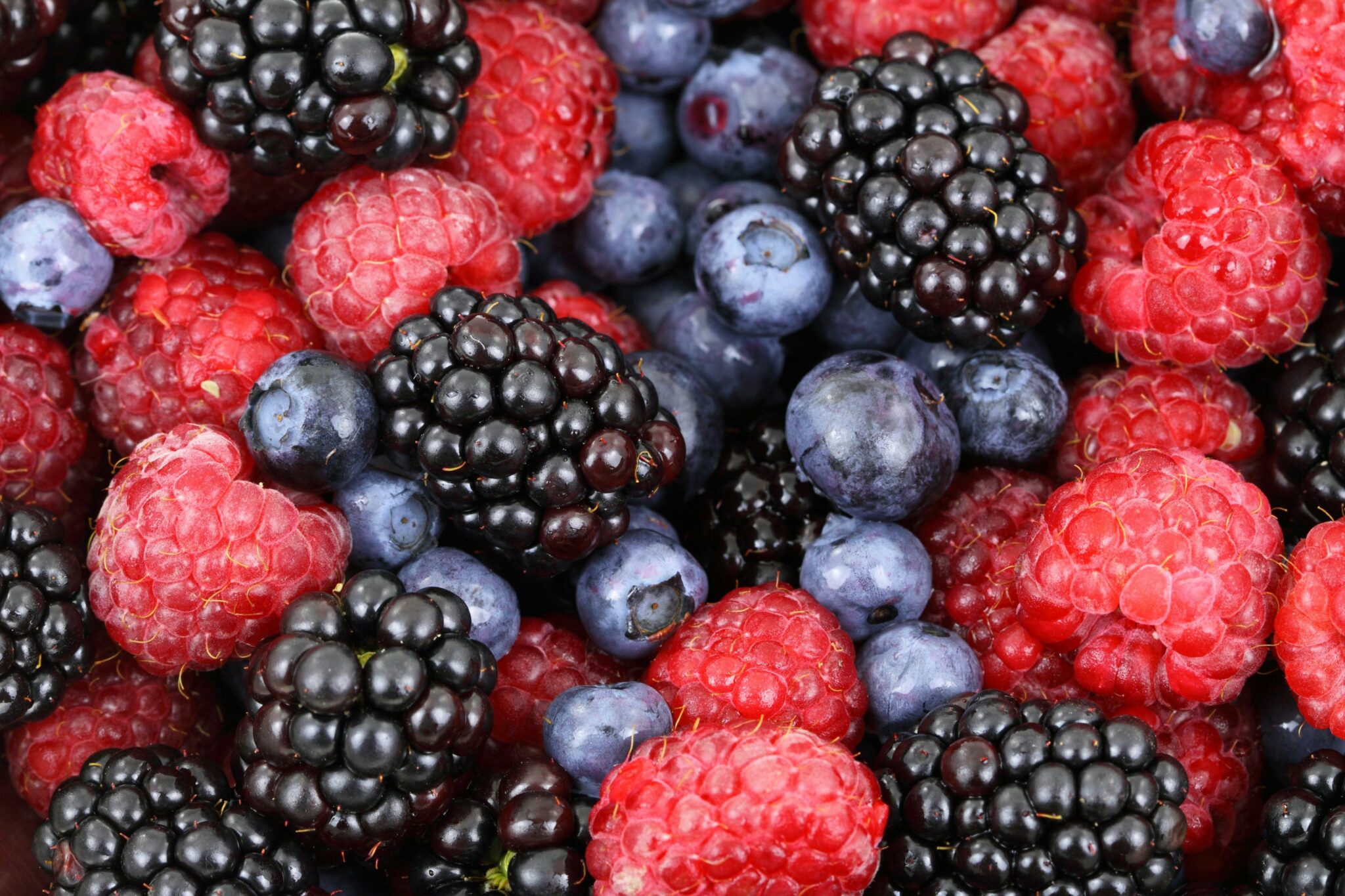
Berries and IBS
Berries contains a lot of nutrition and it is possible to combine berries and IBS. Read our 5 tips of stomach-friendly berries.
Read more →
Bile acid malabsorption
Bile acid malabsorption or IBS, which one is it? It`s easy to confuse them because they can occur simultaneously but there are differences to look out for.
Read more →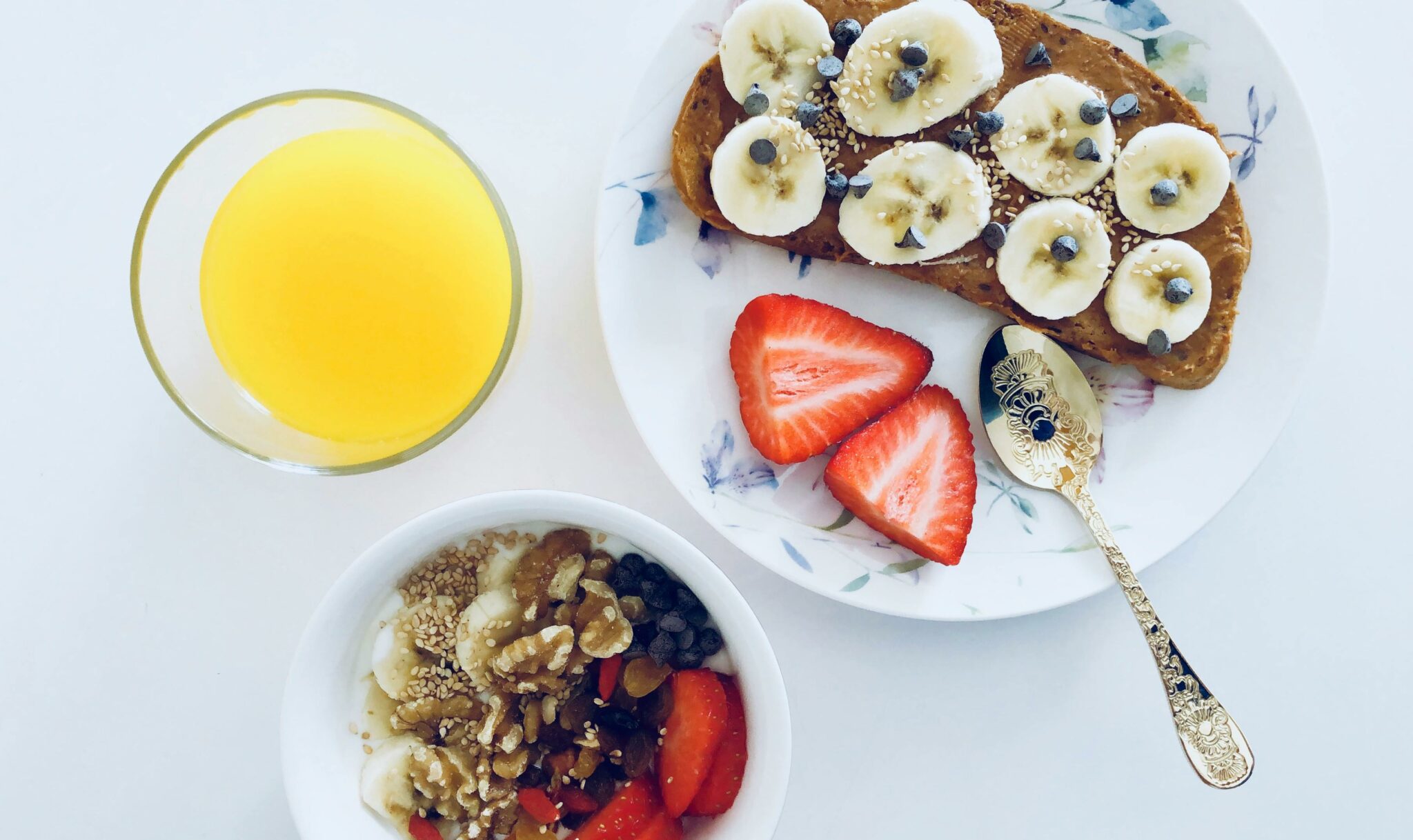
Breakfast and IBS
Breakfast and IBS. Evidence-based IBS support with the low FODMAP diet – download the Belly Balance app.
Read more →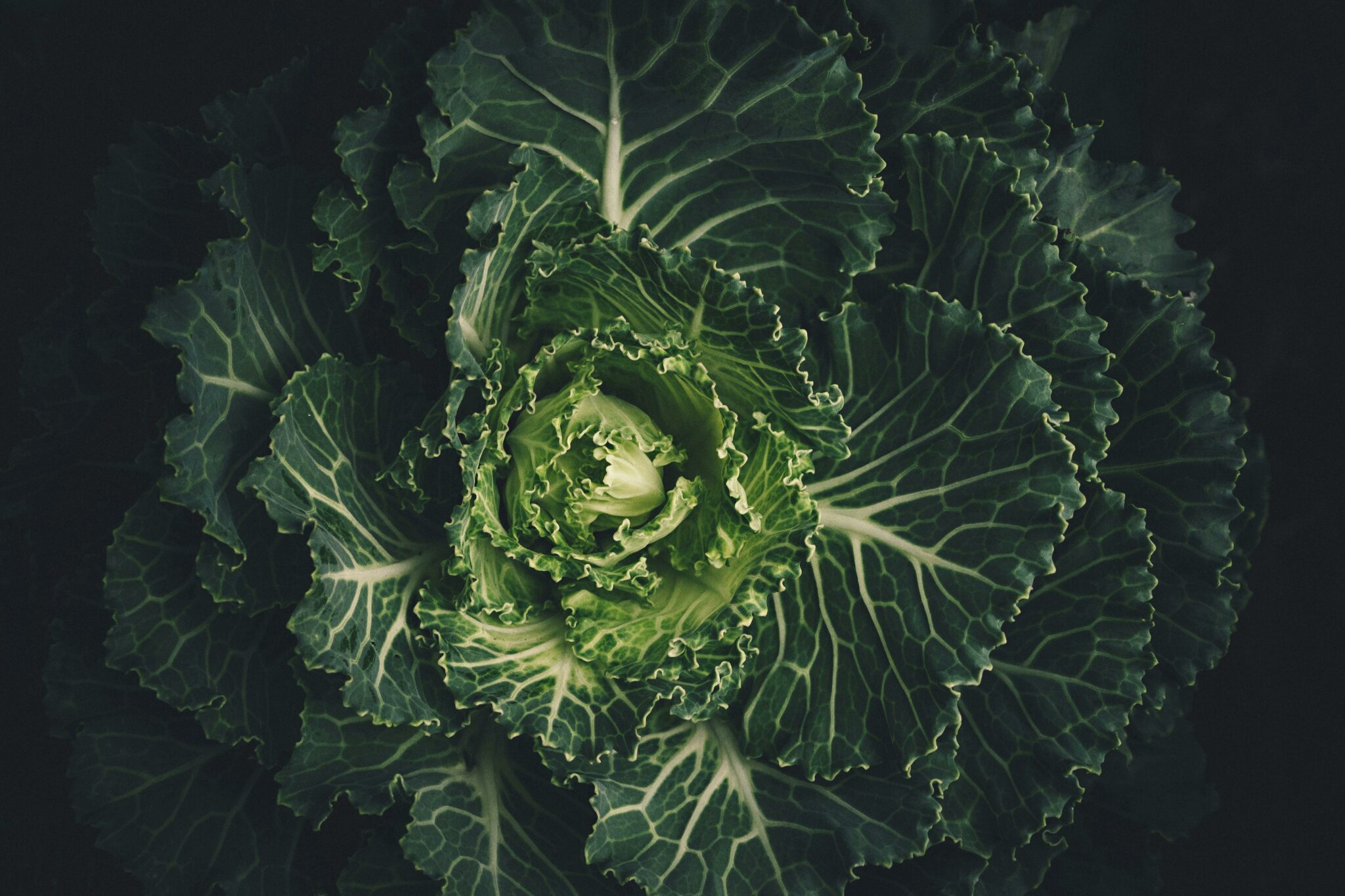
Cabbage and IBS
Cabbage has become a popular ingredient in cooking but does cabbage and IBS work well together? Read more about which cabbage are allowed on the FODMAP diet.
Read more →
Cardamom
Looking to add some spice to your fodmap diet? Cardamom is a great spice to flavor your meals with in for example stews or with rice.
Read more →
Coffee and IBS
Coffee and IBS, does that work well together? Many of us enjoys drinking coffee everyday but how does it affect the stomach?
Read more →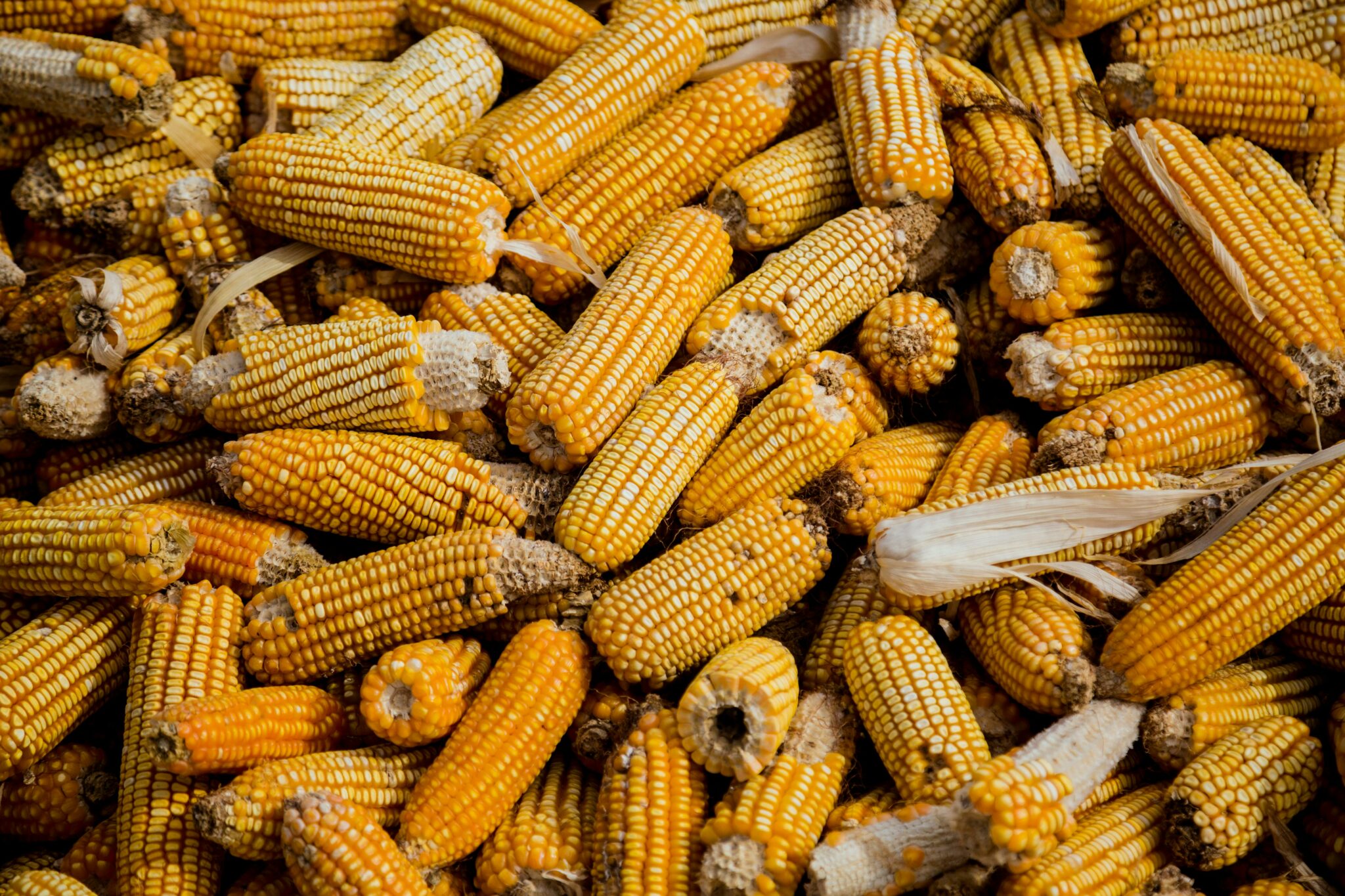
Corn
Corn is complicated. Some products are kind towards the stomach while other products are off-limits. In this article we´ll explain how corn and FODMAP work.
Read more →
Dietary Supplements for IBS
Do you need additional supplements for your low FODMAP diet? Check out our list of the best dietary supplements for ibs and boost your nutrition intake.
Read more →
Dietary Treatment: FODMAP
Dietary Treatment: FODMAP. Evidence-based IBS support with the low FODMAP diet – download the Belly Balance app.
Read more →
Eat and drink warm for your belly
Eat and drink warm for your belly could actually be better for us. The advice originally comes from the Indian philosophy Ayurveda.
Read more →