Emulsifiers Under Scrutiny – Are They Harming Our Gut?
Emulsifiers have long been staples of the modern food industry – making ice cream melt more slowly, keeping sauces smooth, and improving texture and shelf life in thousands of products. But researchers are increasingly warning that these additives may have unintended health effects, particularly on the gut and immune system.
Emulsifiers are found in dairy products such as milk, cream, butter, cheese, and yogurt.
An article in CNN/KFF Health News highlights emerging scientific findings showing that common emulsifiers such as polysorbate 80, carboxymethylcellulose, carrageenan, and maltodextrin may negatively affect the gut microbiome, damage the intestinal lining, and trigger chronic low-grade inflammation. These changes are thought to contribute to diseases like inflammatory bowel disease (IBD), metabolic disorders, cardiovascular disease, and cancer.
French researcher Benoit Chassaing, a lead scientist at INSERM, states that there is substantial evidence these compounds are harmful to the microbiota and should no longer be used. However, he emphasizes that more large-scale, controlled human trials are needed to draw firm conclusions.
One compelling case is that of Lewis Rands, a geneticist who suffered from severe IBD. After removing emulsifiers from his diet, his symptoms dramatically improved — more than with any medication he had previously taken. Doctors in the U.S. have reported similar patient outcomes, noting reduced symptoms with dietary changes.
Despite growing concerns, regulatory frameworks have not kept pace. Many emulsifiers were approved by the FDAdecades ago under the GRAS (“generally recognized as safe”) designation — a status granted without assessing their impact on the gut microbiome, a field that has only recently gained attention. Both current and former FDA leaders acknowledge that the standards used to approve these additives need to be modernized.
Avoiding emulsifiers as a consumer is no easy task. These additives are found in more than 10,000 food products, often under a variety of names that make them hard to recognize. Even products labeled “natural,” “organic,” or “clean” often contain multiple stabilizing agents. The confusion is compounded by inconsistent labeling and naming conventions across the food industry.
The science remains mixed. A 2024 UK clinical study on Crohn’s disease patients showed clear improvement with reduced emulsifier intake, while a 2023 Australian study found no measurable effect in otherwise healthy participants. Still, interest in the topic is growing fast. In the U.S., it has reached political levels, with Health Secretary Robert F. Kennedy Jr. including emulsifiers in his “Make America Healthy Again” campaign, alongside petroleum-based food dyes.
The conclusion is that we are in a scientific gray area: early research shows strong warning signs, but clear guidelines and regulation are still lacking. While more evidence is needed, an increasing number of people report improved well-being when they avoid emulsifiers — pointing to the importance of transparency, better labeling, and ongoing research.
IBS can be an unpleasant condition that is hard enough to manage at any age but it can be especially difficult to manage in children. A survey by PrecisionBiotics® found over 55% of parents report their children face gut-related issues, with the most common symptoms reported being bloating (19%), constipation (17%), diarrhoea (15%) and abdominal pain and cramps (15%)1.
It is therefore important to understand what IBS is and the best ways to support a child who has it. This can involve understanding the triggers for it, the best ways to manage it, and how to create a healthy gut to help ease the symptoms of IBS. Here, we take a look at what IBS can mean for a child, and what you can do as their parent or care giver.
What’s normal?
There is actually a surprisingly wide range of what is considered a healthy pattern of bowel movements: anywhere from as much as three times a day and as little as three times a week. Most children have bowel movements either once a day (39%) or 2-3 times a day (15%)2. However, 23% of children in the UK currently experience bowel movement outside of the normal range.
It’s important to understand the frequency of your child’s bowel movements because this, combined with consistency, are key indicators of gut health. For consistency, it can be helpful to look at the Bristol Stool Chart in which types 3 and 4 indicate optimal gut function.
Only 45% of parents feel confident they know what healthy gut function looks like, 29% are unsure and 26% admit they have no idea. This lack of awareness highlights the need for more education. Parents should monitor changes in their child’s digestion and look for persistent symptoms, such as abdominal discomfort or irregular stools, which might suggest gut microbiota imbalance. Any changes lasting more than a week, such as infrequent movements or watery stools, may signal an imbalance or underlying issue.
Some common triggers can be:
A low fibre intake from fruits, vegetables and whole grains
Not drinking enough water
Irregular mealtimes
Antibiotics
Worry or nerves
What can you do to help a child who has gut issues:
Firstly, if you think your child has IBS it is important to see a medical professional for a proper diagnosis
It can also be It can be a good idea to keep a food diary, in order to find a pattern between what your child eats or what happens in their lives, and when they start to experience symptoms, in order to identify some of the triggers.
Try to ensure they diet has plenty of fruit, vegetables and fibre, and that they’re drinking enough water as these are all know to help support the gut.
It’s important to not load them up with large meals, so eating smaller amounts can be helpful and keeping mealtimes regular and not too late into the evening.
There is now also increased evidence that probiotics containing Bifidobacterium infatis breve and Bifidobacterium longum 35624™ can have a positive effect on children with gut health issues, however it is important you check they are suitable for your child’s age.
1 A PrecisionBiotics® omnibus survey of 1031 UK adults, conducted in August and September 2024
2 A PrecisionBiotics® omnibus survey of 1031 UK adults, conducted in August and September 2024.
The World Health Organization (WHO) has recently issued a recommendation regarding the use of artificial sweeteners, specifically advising against their use for weight management or reducing the risk of noncommunicable diseases. This recommendation has sparked significant interest in the health effects of these substances, particularly in relation to gut microbiota, which plays a crucial role in digestion, immunity, and overall health.
WHO’s Recommendation on Artificial Sweeteners
In May 2023, the WHO released new guidelines suggesting that non-nutritive sweeteners (NNS) should not be used as a long-term strategy for weight management or to reduce the risk of chronic diseases like obesity, type 2 diabetes, and heart disease. This was based on evidence that showed no clear benefit in terms of weight loss or metabolic health. Moreover, the use of these sweeteners could lead to potential negative health effects.
Impact on Gut Flora
One area of concern that has emerged in recent research is the impact of artificial sweeteners on the gut microbiome. The gut microbiota consists of trillions of bacteria and other microorganisms that are crucial for many bodily functions. Studies have shown that artificial sweeteners can alter the composition and function of gut microbiota, potentially leading to negative health outcomes.
Alteration of Gut Microbial Composition: Some studies suggest that certain artificial sweeteners, such as aspartame, sucralose, and saccharin, can disrupt the balance of beneficial and harmful bacteria in the gut. For example, sucralose has been shown to reduce the diversity of gut microbes, while other artificial sweeteners may promote the growth of bacteria that are linked to metabolic disorders.
Changes in Metabolism: Research has indicated that artificial sweeteners may interfere with the normal functioning of the gut microbiota, leading to alterations in metabolism. In animal studies, artificial sweeteners have been shown to increase glucose intolerance, which can contribute to the development of conditions like obesity and diabetes. Although the findings in humans are still debated, some evidence suggests that the gut microbiome’s response to artificial sweeteners may play a role in these metabolic changes.
Immunological Effects: The gut microbiota is closely tied to the immune system, and changes in the gut microbiome caused by artificial sweeteners could influence immune responses. For instance, an altered microbiome may increase the likelihood of inflammation, which is associated with many chronic diseases, including cardiovascular conditions.
Gut-Brain Axis: The gut microbiome also communicates with the brain through the gut-brain axis. Disruptions in the microbiome due to artificial sweeteners may affect this communication, influencing appetite regulation and food preferences. This could have implications for weight management, potentially leading to overconsumption of calories despite the use of low-calorie sweeteners.
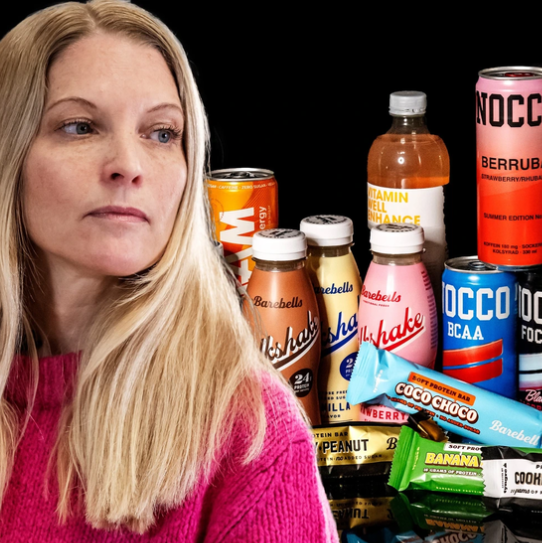
Fructans in soft drinks
New analyses from Monash University shows that both Coca-Cola and other soft drinks, reglurar and diet, contains fructans. Therefor we recommend to limit intake during the elimination phase and then drink a maximum of 200 ml. Read more here.
Conclusion
The WHO’s recommendation against the use of artificial sweeteners for long-term weight management aligns with growing evidence suggesting that these substances can have unintended consequences on gut health. By altering the gut microbiome, artificial sweeteners could contribute to metabolic changes, inflammation, and potentially undermine the benefits people seek from using them as a substitute for sugar. While more research is needed to fully understand the extent of these effects, the WHO’s guidance encourages individuals to reconsider their use of artificial sweeteners and prioritize healthier alternatives, such as whole foods and balanced diets, to support overall health and well-being.
IBS is a disorder of the gut-brain interaction. This means there is nothing physically wrong with your gut; the problem lies in how your gut functions. The altered gut brain interaction causes a disruption to digestive processes affecting both the sensory and motor neurons throughout the gut. The complex coordination of digestion becomes out of sync causing irregular movements of the intestinal muscles and heightened sensitivity within the gut. These changes lead to bloating, pain, constipation, diarrhoea, nausea and heartburn.
So how can hypnotherapy help?
Hypnotherapy is a great way to reduce the symptoms of IBS. Treatment is safe, relaxing, natural, and does not involve elimination diets. Not only is it an evidence-based approach backed by 35 years of solid clinical research. It has also been shown to provide lasting relief.
Helen Brooks, Clinical Hypnotherapist IBS Tranformation Coach
Firstly, what is hypnosis?
Hypnosis is a state of focused awareness and narrowed attention often combined with relaxation, this focused attention is sometimes referred to as a trance state. We all go into a trance number of times each day. It’s a perfectly natural state. Daydreaming is an example, or when we are just ‘dropping off’ to sleep, even being deeply absorbed in a book or film is a trance state. In this state, the subconscious mind becomes more receptive to the suggestions and images that are presented to it.
Hypnotherapy is a therapeutic technique using hypnosis. Mostly known for its ability to change the way we think and feel it is also used in medical settings to create changes to processes controlled by the subconscious mind – so all the physiological functions we don’t have to consciously think about – such as blood pressure, temperature regulation, breathing, pain response and digestion.
Gut Directed or Gut Focused Hypnotherapy changes the function of the gut by resolving the miscommunication between the gut and brain. Signals sent through the gut brain connection are restored in turn reducing the hypersensitivity of nerves and modulating gut motility, thereby restoring regular gut function and relieving IBS symptoms.
Stress and anxiety make IBS symptoms worse.
We know that although stress does not cause IBS it does exacerbate symptoms and is a big culprit in causing digestive distress. Hypnotherapy also helps counteract the effects of stress on the gut by activating the parasympathetic nervous system. It stimulates the body’s rest and digest phase, the opposite branch to the fight or flight mode.
Beyond changing the gut brain communication and reducing the effects of stress hypnotherapy can also help change subconscious responses to situations that are often a challenge when living with IBS including the fear of needing the toilet when away from home or the fear of eating certain foods.
Is gut-directed hypnotherapy effective?
In 1984 Professor Whorwell, a UK gastroenterologist, decided to test the effectiveness of hypnotherapy as a treatment for IBS. Thirty patients with severe symptoms that didn’t respond to other treatments were chosen at random. They received either seven sessions of hypnotherapy or seven sessions of psychotherapy plus placebo pills.
The psychotherapy group showed a small but significant improvement in abdominal pain and general wellbeing but not bowel activity patterns. The hypnotherapy patients showed a dramatic improvement in all IBS symptoms. Later on, 35 patients were added to the initial 15 treated with hypnotherapy. For the combined 50 patient groups, the success rate was 95% for ‘classic’ IBS cases but substantially less for IBS patients with atypical symptom pictures or significant psychological problems.
Further to this, another study (Palsson 2007 The International Journal of Clinical and Experimental Hypnosis.) found that over 80% of patients who underwent a course of GDH reported a significant improvement in their symptoms.
More recently, a team led by Dr Simone Peters at Monash University showed that gut-directed hypnotherapy improves gastrointestinal symptoms in people with IBS by 70-80%. These improvements were long term gains.
In conclusion, gut-directed hypnotherapy (GDH) is an effective, evidence-based approach to treating Irritable Bowel Syndrome (IBS) GDH can reduce symptoms by decreasing visceral hypersensitivity, modulating gut motility, reducing stress and anxiety, and addressing psychological and emotional factors that may contribute to the maintenance of the condition. It is a safe, non-invasive and drug-free treatment option for IBS sufferers that often brings relief where dietary changes and medication have not succeeded.
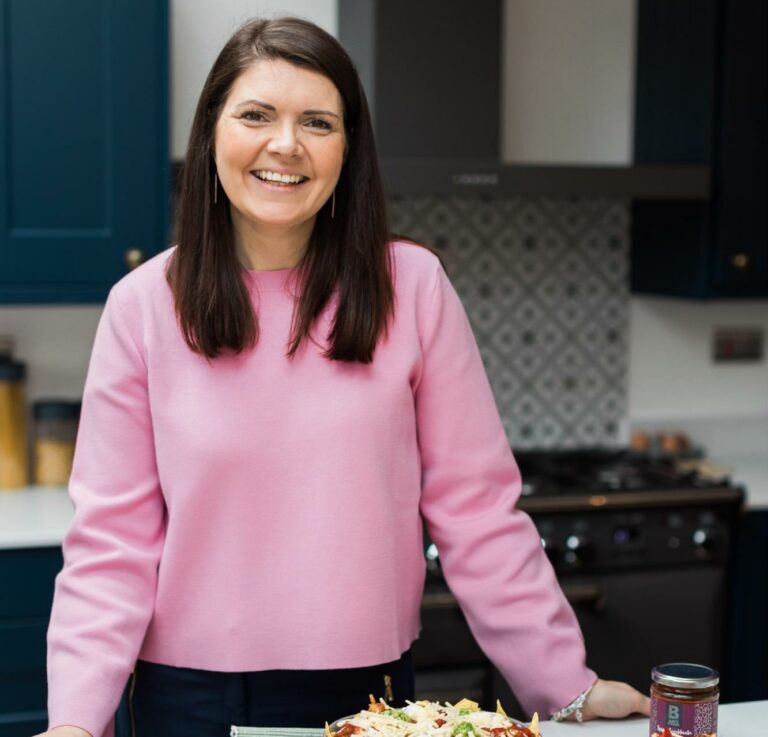
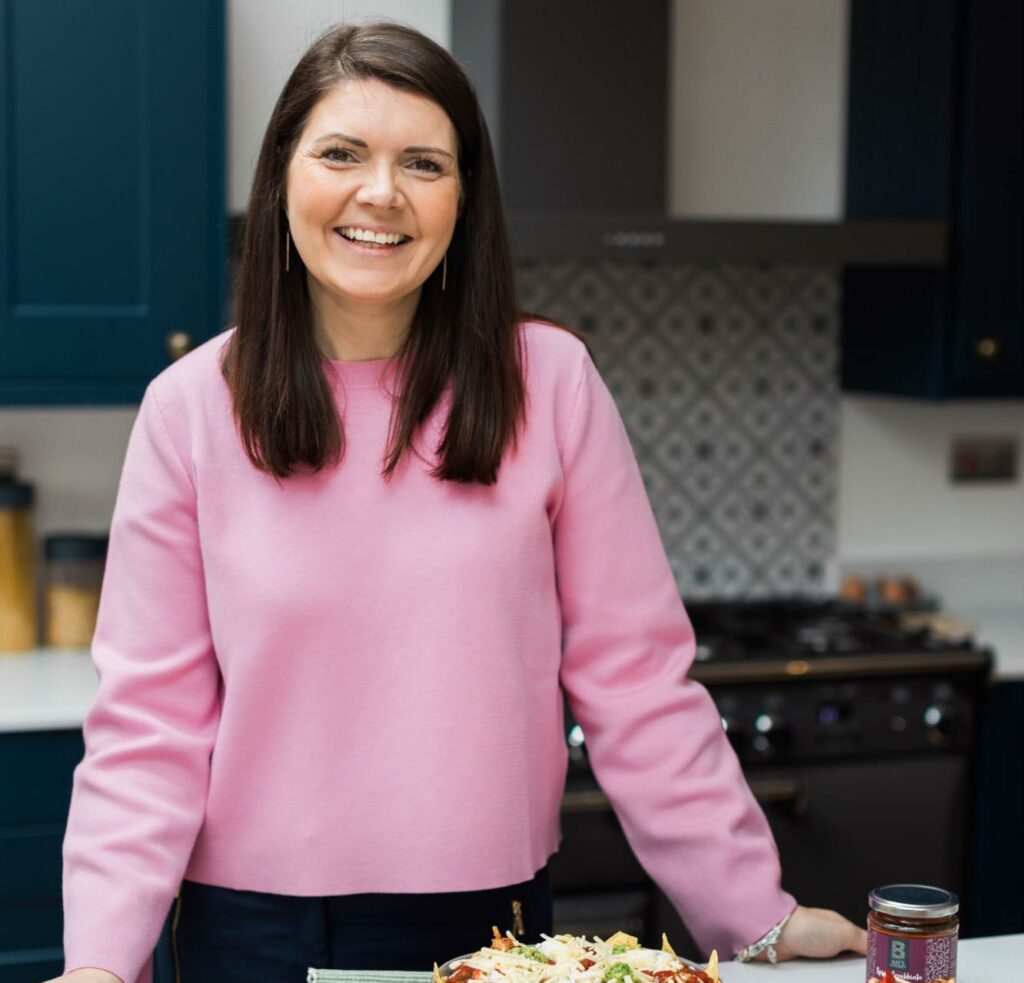
Interview with Bay Burdett – founder of Bay´s Kitchen
What is your experience with IBS & the low FODMAP Diet?
My symptoms first began back in 2012, after following an overly restrictive diet to lose weight for my sister’s wedding, which involved lots of fresh ingredients such as meat, fish, salad, rice etc. When I returned to normal eating, I experienced severe cramps, fatigue, bloating, constipation, back pain, and body aches. I quickly realised that alcohol (among others) was a major trigger, as each time I went out, my symptoms would get worse.
The turning point came during a family holiday. I love to get involved in family activities, especially with my nieces and nephews. But one day, while watching my family play in the sea, I was in agony, sitting on the beach, unable to participate. That moment made me realise I needed to seek help, something I had previously been too embarrassed to do as I didn’t want to talk to a doctor about my symptoms.
After discussing my symptoms and running some tests that were all clear, I was diagnosed with IBS. The doctor handed me some information, including a note about the Low FODMAP diet.
Initially, I was nervous, because I believed my restrictive weight-loss diet had triggered my gut problems, and the low FODMAP diet might do the same. But as I started to research, I quickly realised how challenging this diet would be, especially because garlic and onion are in nearly every store-bought sauce and other convenient foods (e.g. pizzas, ready meals, soups etc). I tried to seek advice from a dietitian through a referral with the NHS but never got an appointment, and as I was living alone with a mortgage, I couldn’t afford to go private.
I attempted cooking everything from scratch, but working long hours at a marketing agency made it difficult. I loved my job, but coming home at 10 p.m. and starting to cook from scratch was not sustainable. This frustration led me to an idea – why not create sauces that are IBS-friendly?
Having grown up around a family business, I always wanted to start something of my own. But it wasn’t until I faced the struggle of finding convenient, Low FODMAP sauces that Bay’s Kitchen was born.
What inspired you to create FODMAP-friendly products?
After my IBS diagnosis, my doctor recommended I follow the Low FODMAP diet. When I started looking for foods I could eat in supermarkets, I quickly realised how limited the options were, especially when it came to sauces. There were next to no quick, easy, and delicious choices that fit the diet. I didn’t have the time or energy to cook from scratch every day, and that’s when I thought – if I was struggling to find convenient options, surely many others were feeling the same way.
As I started sharing my symptoms with friends, family, and colleagues, I was surprised by how many people could relate. It became clear just how common IBS is, affecting 1 in 5 people in the UK, and that inspired me even more to create FODMAP-friendly products that make life easier for those managing the condition.
Can you walk us through the process of developing a FODMAP-friendly product? What are the key steps from idea to finished product?
The first FODMAP-friendly products we developed were inspired by the foods I missed most. I craved quick and easy pasta sauces, and I hadn’t had a curry in nine months. Our initial range included Tomato & Basil, Sweet & Sour, and Jalfrezi Curry (which has since been discontinued). I took these ideas to a development chef, who was excited by the challenge of creating Low FODMAP sauces, something he had never heard of before! He found it particularly tricky to work without onion and garlic, but that’s what made it so rewarding. Once we’ve finalised a product, it’s sent to FODMAP Friendly in Australia for testing and certification, ensuring it meets the strict Low FODMAP guidelines.
Why did you choose to produce the specific types of products you offer? How did you decide which categories to focus on?
We wanted to bring more flavour and convenience to the Low FODMAP diet, which can sometimes feel restrictive and bland. Our stir-in sauces and stocks allow people to create meals quickly and easily while still being able to add their personal touch, whether they’re vegetarian, vegan, or just looking for something simple. Our Korma sauce, for example, became a best-seller after we launched it in 2019, and our concentrated stocks have also been very successful since their launch a year later. A large portion of our business has grown from the sales of these products.
Do you plan to expand your range or introduce new categories?
By the end of 2024, we will have transitioned to a seed oil-free range, driven by both research and customer feedback and I’m excited about our plans for new product development in 2025, keep your eyes peeled for more updates!
Where can people buy Bay’s Kitchen Products?
You can buy our products directly through our website, as well as on Ocado, Amazon, and Fodmarket. You’ll also find them in select farm shops!
We’ve also recently introduced a Subscribe & Save option for our customers. You can choose which products you want, how often you want them, and enjoy a 10% discount with free delivery on orders over £30. It’s the perfect way to take the stress out of reordering!
We’re also delighted to offer all Belly Balance members a 10% discount code.
BELLYBALANCE10
This code works on both one time orders and subscription, meaning you get 20% off your first subscription order and the standard 10% off all future subscription orders too.
News Alert! New analyses from Monash University has revealed that both Coca-Cola and Coca-Cola Zero contain FODMAPs.
Is coca cola low fodmap?
Historically, the general advice for individuals with IBS has included limiting carbonated drinks due to their ability to worsen bloating. However, new analyses from Monash has shown that it’s not just the carbonation causing issues. Recent tests conducted on Coca-Cola and Coca-Cola Zero have shown that both contain oligosaccharides (fructans) in amounts that classify them as “red” i.e. high FODMAP.
Exactly what causes Coca-Cola to contain fructans remains unclear since the recipe is secret. It is assumed that neither the sweeteners nor the sugar are problematic, but rather some other ingredient. It’s also unknown whether this is the case for other soft drinks like Fanta and Sprite, or energy drinks, as they have not yet been analysed.
What Does This Mean for You Following the low FODMAP Diet?
For those in the elimination phase, this likely has minimal impact, as the general recommendation is already to limit carbonated drinks during this stage. However, this new information may be relevant for those who have progressed further, reintroducing carbonated drinks in larger quantities, or for those who aren’t experiencing full relief from their symptoms. Could Coca-Cola be the culprit for your ongoing issues? Perhaps—there’s only one way to find out.
Based on these new analyses, the team at Belly Balance has decided to continue recommending the limitation of carbonated drinks during the elimination phase, but to strongly advise against consuming Coca-Cola during this period. This recommendation will remain until more information becomes available. Stay tuned for more updates!


 En glad mage i fokus En glad mage i fokus Under våren har Belly Balance och Elexir Pharma ingått partnerskap med glada… Read more
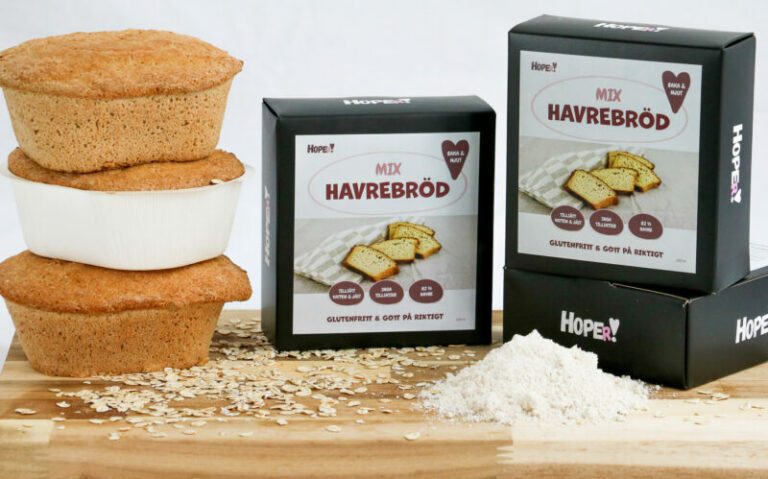 Glutenfritt bröd från Hoper nu hos Belly Balance Glutenfritt bröd från Hoper nu hos Belly Balance Äntligen är Hopers glutenfria havrebröd här! Ett… Read more
 Nya analyser visar att Coca-cola och Coca-cola zero innehåller FODMAPs Nya analyser visar att Coca-cola och Coca-cola zero innehåller FODMAPs Historiskt sett har de generella… Read more