Sofia Antonsson, registered dietitian and founder of Belly Balance
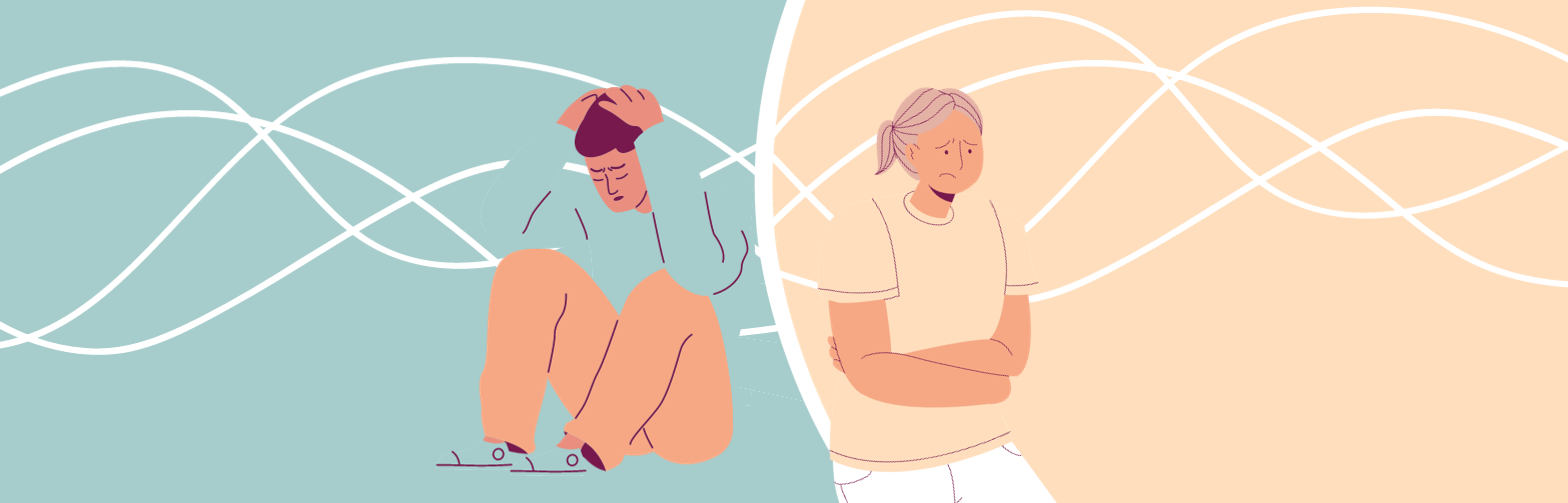
Bloating, cramps and a gut that goes up and down. For many women with endometriosis, the gut is as big a part of everyday life as period pain.
endometriosis means that tissue similar to the lining of the womb grows outside the womb. It often causes pain around periods, but also gut symptoms that closely resemble IBS. So closely that many women are first diagnosed with IBS and only years later learn that it is endometriosis. It is also common to have both.
The road to diagnosis is often long. Many women have lived with pain and gut symptoms for years before anyone puts the pieces together. Many have also been told that gut symptoms are just part of endometriosis. There is more that can be done.
The gut becomes extra sensitive
In both endometriosis and IBS the gut seems to be extra sensitive. Gas and gut movements that others do not notice can feel painful. Symptoms often get worse around periods, whether or not the endometriosis is close to the bowel.
Diet can help
A study from Monash University in Australia tested the low FODMAP diet in women with endometriosis and troublesome gut symptoms. Six in ten had a clear improvement in their gut, and it showed after just two weeks.
This confirms what we dietitians have seen for a long time. Women with endometriosis often respond very well to the low FODMAP diet. It is good to now have research that shows it.
An earlier study found the same. Women with both IBS and endometriosis improved more often on the low FODMAP diet than women with IBS alone.
Diet does not affect the endometriosis itself. It helps with the gut symptoms and works best alongside the treatment you get from your gynaecologist.
Take it step by step
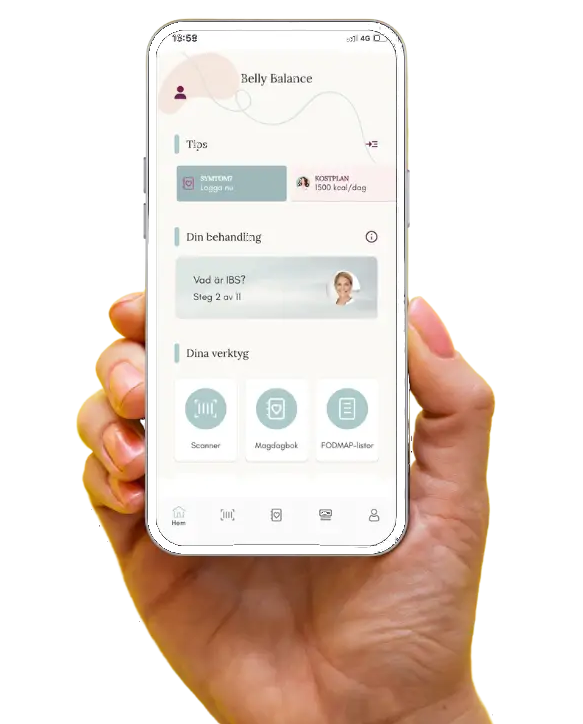
The elimination phase is temporary. After it comes reintroduction, where you find out what your gut tolerates. The aim is to eat as varied a diet as possible. Ideally do it with support from a dietitian. In Belly Balance, the 11-step programme guides you through both the elimination phase and reintroduction, step by step.
During the elimination phase it is easy to eat too narrowly. A dietitian can help you get enough fibre, calcium and iron. Iron is especially important if you have heavy periods.
Keeping a diary of your gut and your cycle can also help. It makes it easier to see what is caused by food and what is linked to your period.
ⓘ If you have severe period pain, pain during sex or gut symptoms that get worse around your period, raise it with your GP.
Want to try the low FODMAP diet? The 11-step programme in the app takes you through the whole treatment, and in the gut diary you can follow your gut through your cycle.
Sources: EndoFOD, Monash University 2025.